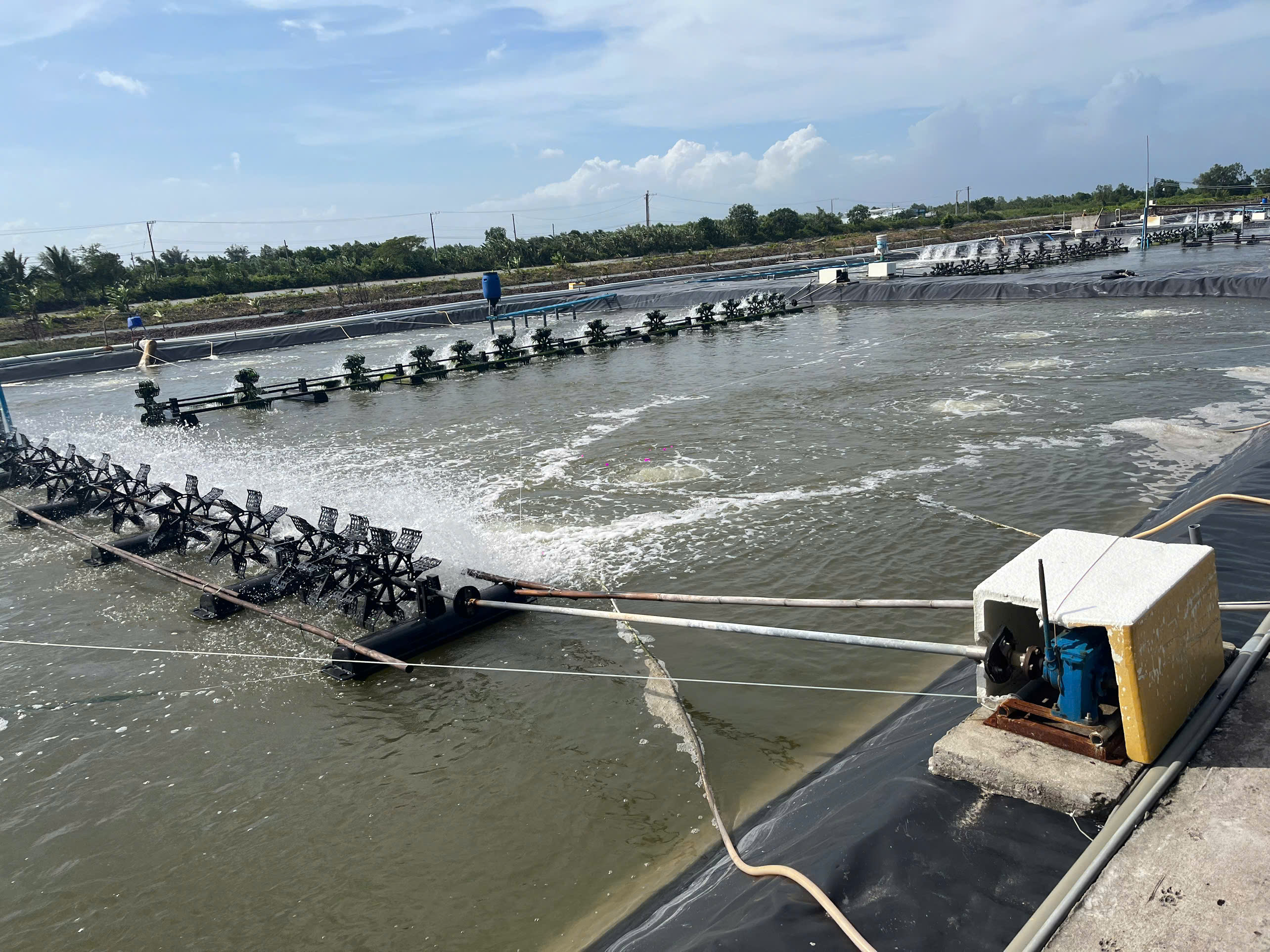
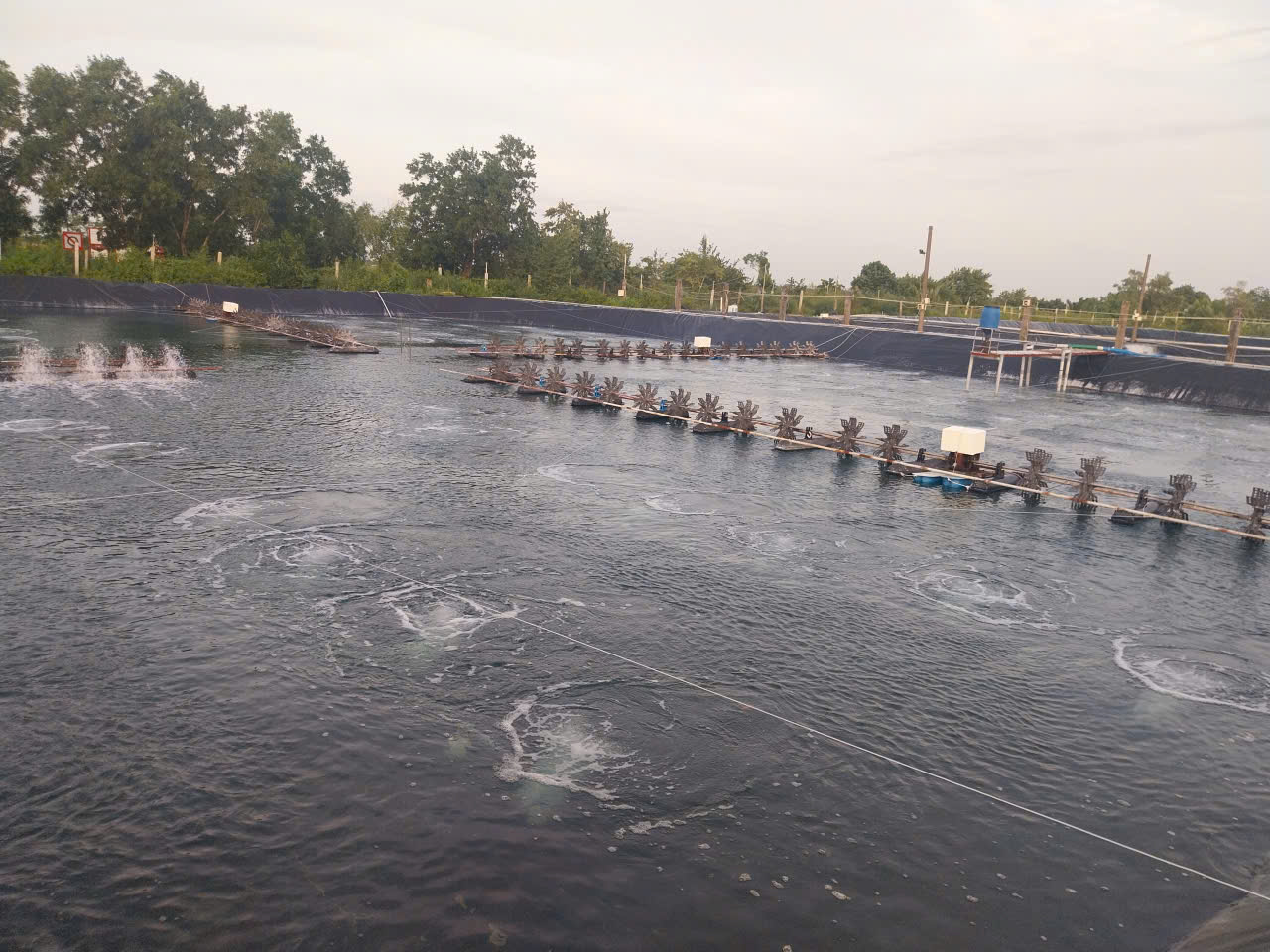
The RAS-IMTA (Recirculating Aquaculture System - Integrated Multi-Trophic Aquaculture) demonstration project in Ca Mau represents a landmark collaboration between government, research institutions, and Blueberry Energy's Solar4Shrimp initiative.
This project showcases how clean energy can integrate seamlessly with advanced aquaculture techniques to reduce operational costs while improving environmental sustainability.
A multi-sector partnership driving sustainable aquaculture
Government Partner
Research Partner
Environmental Partner
Technology Provider
Duration: 2 weeks
Duration: 3 weeks
Duration: 4 weeks
Duration: 1 week
Data collected over 18 months of operation
Standard solar equipment degrades rapidly in high-salt coastal environments.
Ca Mau experiences typhoons with winds exceeding 150 km/h during monsoon season.
RAS facilities require 24/7 aeration, but solar only generates during daylight.
Shrimp farms cannot afford to dedicate productive land to solar installations.
Solar4Shrimp has transformed our operational economics. The 30% reduction in electricity costs directly improves our profit margin per kilogram of shrimp. More importantly, BBE's service model meant we didn't have to divert capital from our core aquaculture operations. The system has run flawlessly through two monsoon seasons.
The zero-upfront model removed the primary barrier to adoption. Farmers can now access clean energy without capital constraints.
Generic solar products fail in coastal aquaculture. Systems must be purpose-built for saline environments, typhoons, and 24/7 operation.
Collaboration between government, research, and private sector enables faster validation and scaling of sustainable solutions.
Actual savings exceeded initial estimates by 3%, demonstrating conservative modeling and system over-performance.
The Ca Mau case study proves that Solar4Shrimp delivers measurable, verified results. Your farm could be next.